WELCOME TO SMOKEY VALLEY FARM
HOME OF RARE, MINIATURE AND TOY SHEEP
Richard and Michelle Shannon
113 Blake Road Toledo Washington State
98591 U.S.A.
(360) 864-6116 or e-mail : smokeyvalley@toledotel.com
Back to Home Page
Click Here
French Bulldogs and English Toy Spaniels
Richard and Michelle Shannon
Lamb Races
NEW !!!
Automatic - add your own - reciprocal link
Breeders of four Breeds of Rare, Miniature and Toy Sheep.
Lots of pictures, Information and History on each. Sales and
Service.
SMOKEY VALLEY FARM
HOME OF RARE, MINIATURE AND TOY SHEEP
Rick and Michelle Shannon
113 Blake Road Toledo Wa. 98591 U.S.A.
(360) 864-6116 or e-mail : smokeyvalley@toledotel.com
Back to Home Page
French Bulldogs and English Toy Spaniels
Richard and Michelle Shannon
Interested in a Miniature or Novelty Sheep?
Ever since the first small sheep were ever born, these unique animals have survived and thrived. The
miniature industry is an exciting and personally satisfying one with a bright future. As more and more people
discover these naturally small and beautiful little sheep, their popularity and value will continue to grow. When
you purchase your first miniature sheep, you become part of that experience. And whether your goal is showing,
breeding, producing wool or just the pleasure of having a wonderful pet, your participation will be a truly
pleasurable one. A little known fact about miniatures is that their fleece tends to be of finer quality, no matter
the breed.
Miniatures have been in existence for a long time. However, their numbers have traditionally been quite
small. Due to their diminutive size, they have never been in demand in the mostly commercial market of meat
breeds or in the wool market where fleece weight per animal is nearly as important as wool quality. Many
people interested in only a spinning flock find several small sheep, give them more choices. Something they can
not get with even fewer of the larger sheep. Spinners flocks are quite popular as each sheep has its own distinct
personality and will bring you a constant source of amusement no matter the breeds of choice.
Caring for the miniature sheep is easy and can be performed safely by a person of nearly any age. Their
size enables you to hold them in your lap to trim their feet, give shots or just talk to them. You will find
yourself doing that a lot. Small children may be afraid of a standard size sheep, yet that same child will show an
eagerness to embrace a miniature adult and lovingly hug a miniature lamb. The lambs are particularly lovable
due to their very small size (at birth about 8’to10" tall) and no bigger than a quart jar with legs. Most are as
little as one to three pounds at birth. A miniature sheep for many reasons are a near perfect pet. Their
affectionate, gentle nature and small size make the miniatures an excellent friend and companion for many
years. The active life span for some breeds may be more than double the modern or larger sheep. Some produce
well into their late teens.
Working with a miniature sheep builds confidence and self-esteem, important qualities even in the adult
world. Guiding another in the proper care of a miniature encourages discipline, responsibility and respect.
Miniature sheep ownership provides a wonderful learning experience and a great sense of accomplishment for
the young and the young at heart. One of the most rewarding aspects of owning miniature sheep is the
togetherness and sharing that occurs with a family. Even older people and disabled or handicapped people no
longer as mobile as they might like to be and who cannot start or continue to manage a full sized sheep, can
enjoy a miniature in a variety of ways; be it the show ring and breeding or simply having one as a companion.
The cost of maintaining a miniature sheep can be less than half of maintaining an average large sheep.
Feeding and daily care are tasks easily learned and handled by a five or six year old child. The feeding program
is basically the same but of course, clean up detail is much, much less. Their health is as stable as a standard
size sheep. They eat the same things yet are usually better at foraging, yet appreciate hay and a cozy barn and
high quality food products as much and the next sheep. We advise having loose minerals/salts available at all
times.
When you are ready to purchase a miniature or novelty sheep, seek and find the breed(s) you are
interested in. Look for a reputable breeder who will be able to provide you with the history of the breed you
have chosen and a breed standard. A reputable breeder will be able to provide you with the information on care
and feeding and any special needs of the particular sheep breed you have chosen to acquire. They should be
willing to take the time to really talk to you as well as help you before and after the sale.
Finally, make sure the paperwork on your sheep is in order. Your sheep is only as good as the
registration paperwork behind it. So check it out thoroughly before you buy. You should receive a signed
original M.N.S.B.A.R. registration certificate. Remember, in order to be a Registered Miniature or Novelty
Sheep it must be registered and have the paperwork to prove it!!
Miniature and Novelty Sheep Breeders Association and Registry (M.N.S.B.A.R.) (360) 864-6116
Ewe ought to know
In cold environments, wild and/or free roaming sheep must produce lambs large enough to survive hypothermia at birth. So many of the small breeds do not often twin because twins would be too small to survive the cold if left to nature. So twins are considered uncommon in many of the feral, near wild or mountain sheep breeds, of which many of the miniature sheep did or have called home at one time or another. To twin with larger lambs that could survive, the dam would clearly have to be larger also. This would require more and/or better grazing areas and due to most of the naturally sparse or mountainous environments where these breeds originated and the limited areas, this would have been impossible.
The first newborns of the year are the center of attention, particularly by the yearlings and again by the older or barren ewes. They all try to sniff and follow the new little members of the herd and may even try to steal them away from a busy new mom. Sheep are proverbially social creatures and the lambs join others in forming lamb gangs within the first five to ten days to the mothers' dismay. At this age their social skills are modest, but they already know how to butt and mount. The gang members stick together and choose whom they will and will not follow, they do a lot of running around in group lamb races, a favorite game. All lambs are born mountaineers, they have generous footwear, with large rubbery hooves that provide excellent traction on the rocks or outcroppings, dirt and hay mounds and even unsuspecting adults. Their sturdy well-powered legs and big joints absorb the energy of long jumps and steep drops and are always ready for high and rapid jumps.
Only brainy creatures become tame and sheep have a relatively large brain, as is expected in a mammal this size. Sheep shape much of their behavior by learning, so raised gently, calmly and with lots of human attention, they will become quite tame. But those with little human contact or those hunted and chased may become almost impossible to find, as they become extremely cautious. Sheep quickly discover humans are harmless and will exploit them to their advantage, always calling to you as if hungry for example. Once fed and not harmed sheep become tame. Even wild sheep in parks for example, quickly become nearly pets when fed roadside. Sheep are curious and make it a point of inspecting harmless intruders, such as owners, farm dogs, feeders and photographers included.
Minerals are vitally important to sheep. Many minerals play a vital physiological role, organic sulfur, for example, is turned into cysteine and methorinine by the bacteria in the sheep's rumen. These two substances, thus created are amino acids, and are vital to the growth of connective tissue, wool/hair and horns. Rams visit mineral licks most frequently in the spring and summer, when the physiological demands of growing a large body and horn growth are at their peak, usually spring and summer and less in as the fall is their "busy" time of the year. Females need minerals most during the summer when heavy demands are placed on their metabolism by milk production and the restoration of their skeletons and new growth of wool/ hair and hooves.
You should consult a sheep wise vet in your area as to the special mineral requirements of sheep in your area. Certain places are known to be lacking in the minerals that others can get naturally just from feeding on the available plant life.
You need to know which you might need to supplement at higher levels. Salt and mineral must be given free choice, in loose form, as sheep can not get enough from those well meaning blocks sold at the local feed stores.
For more info on small and miniature sheep breeds and other facts contact Michelle Shannon at 113 Blake Road Toledo WA. 98591 (360) 864-6116 or visit our web site at: http://www.toledotel.com/~smokeyvly/
SHEEP THE NEW EXOTIC
In this article I am not trying to sell you on a product, but on an opportunity. An opportunity to participate in a relaxing hobby with your family and friends, whether you are a young person or a senior citizen, a chance to experience and interact with some of the wonderful creatures of our world. A chance to take pride in something and to share with others in the camaraderie and knowledge of a common interest. This can be an individual hobby/project or a family one involving children of all ages, parents and grandparents, a 4-H project having fun and teaching responsibility or simply a desire to have a few of these woolly friends to share your time with. It can be a few animals in the backyard or a farm of a hundred or more. Sheep fit into the confines of a city lot or the wide open spaces of the country or the not so open country of today's smaller family farms. Rare, fancy or just unusual sheep can fit into anyone's lifestyle, a respite from the hectic pace of today's life, a link back to the natural world and the joys of simply observing some of mother natures most fluffy of all creatures, the sheep in its many, many forms, sizes and colors.
The idea of keeping and breeding sheep, whether for wool, meat, milk or for a way to stay connected to the earth, can provide a whole lot more. The daily pleasure of their company is good for the spirit and soul. In a speech in 1955, the Indian Chief Seattle said, "What would a man be without animals? If all animals disappeared, then man would die of spiritual loneliness."
When you think of purebred sheep, what comes to mind? The big sheep with the black face you see so much of at the local fairs? Or maybe the large flocks of sheep you see as you drive down the highways on your way to grandma's house for that Sunday dinner? It may even be the leg of lamb that you have become accustom to at that dinner on special occasions. They may be that, but they are so much more. Besides providing the useful wool, meat and milk products, among other things they are animals of beauty to be had and admired by all. The largest to the smallest, they have elegance and class. From the "Romping Red Heads" of the Mini Red Tunis to the "Perky Pointed Ears" of the Mini Cheviots, and the always to be admired for their many spots and "Majestic Horns" the Mini Jacobs; and never forgetting the stately Mini Border Leciesters with their "long curly locks" sure to please the eye (and the spinners); and so many, many more. There are literally hundreds of breeds and varieties in these animals we call sheep, each with their own unique beauty and qualities.
WHY BUY A PUREBRED SHEEP? Breeding is a challenge to improve a breed, the companionship of living things, pride in ownership and accomplishment and the opportunity to be part of our countries best kept secrets, the world of Purebred Rare, Miniature, Toy, Heritage and Primitive breeds of small sheep!
What Breed To Buy? Their is no "best breed" of sheep for everyone. Personal preference as to shape, color, temperament and size of sheep that is right for you and what you want from them. Maybe in different areas of the country, climates will have some impact in your decision as to the choice you will make. Sheep, in a very general sense, are divided in three different classes or divisions, meat or wool and some who do both quite well, all these within the many breeds and sizes of sheep. In addition to the full sized or common sheep, fanciers have saved or developed the much sought after Miniature and Toy counterparts. They are a much smaller animal with all the same benefits in a smaller package. Some breeds only exist in the small or miniature size, 24" or less, toys are even smaller under 19" tall. They do, of course, produce smaller amounts of sheep products, but in this case, that may be a plus, in these days of eating less meat, also the home spinners don't want hundreds of pounds of wool to market each year, half of that in a higher quality would be much nicer. So as you can see, generally these sheep are not kept for their high production rates, but where space is limited. In fact, most are kept just to provide pleasure to the owners and their products are a secondary consideration, if considered at all. Still others keep, raise and breed these sheep as part of an ongoing rare breeds survival effort. Trying to stop the loss of valuable genetic and historical lineage. Without this many more breeds of old from around the world will be lost forever.
A breed is identified as having a particular body shape or style and/or different markings and size. Some have differing colorings and/or special features such as horns for example. Their are many to choose from. Select the breed that appeals to your taste, whether it be a Mini Southdown and its "fuzzy teddy bear face;" the unique coat of the Soay Sheep, which needs no shearing; or the always black black of the Black Welsh Mountain Sheep. Choose what makes you happy and brings gladness into your life .
The Miniature and Novelty Sheep Breeders Association and Registry (M.N.S.B.A.R.) provides a "Standard of Perfection" for each breed of sheep within its registry. It describes each breeds standard guidelines, of among other things, color, size, head and ear shape, eye colors, acceptable and unacceptable qualities, etc. .... I think you get the picture. If not, we also send out breed photo sheets and breed history information. These will be your guideline and everyone else's to the breeding of quality animals of a uniform size, shape and color.
Once you decide on a particular breed, locating it may be a bit more difficult. But the work is worth the wait; it took me two years for my first minis! Write or call us, we are happy to help when we can. You may want to attend a show or exhibit in your area. Breeders are often out and about at these kinds of local shows hoping to share with others in their area about their love of sheep. They will be more than willing to answer questions and may provide you with necessary information to make the right choice, even if their breed is not the right one for you. Even those mini sheep are still quite rare and few and far between, the most important thing to remember is to buy from a reputable breeder with registered animals so you can be sure of what you are getting. These breeders can provide Registration Papers at the time of the sale NOT a promise of papers to come?
Being registered means among other things, that this animal conforms to a Written Standard that all others of the same breed are following. Breeders that take the time and efforts to register their animals have a real interest in that breed and its well being, and are keeping them pure. Breeding with no standard and not keeping records of registry on your animals is the same as breeding in the dark. No one can see what is REALLY going on and no one can see which is the right path of follow, so each is taking his own, that is NOT how it should be done. Purebred breeding means breeding to the " Written Standard" with everyone going in the same direction, with the same and common goals clearly in sight.
For some, owning and reproducing some of these little elegant creatures is enough reward, but for others, the show is their focal point, the true measure of the hobby's rewards. The competition of the show, whether you be a youngster or an oldster in retirement, is a gratifying experience. In addition to the competition, it is a chance to meet and talk with others who have shared interests. The best way to keep on the right track is to be in the flow at a show, getting and giving information shared by judges, other exhibitors and long time breeders with a wealth of knowledge. Add up the benefits of a family sharing friendships and the challenge of breeding the perfect animal and I think you will agree it all adds up to a very enjoyable hobby. Give it a try!
So your interested? Get informed and get a-going and get a sheep or two! The sooner you do, the sooner you, too, will be adding to your daily enjoyment and the peacefulness that comes from just watching them going about the business of life, probably on your once high revered lawn??!! Please feel free to call or write us. We're happy to help you get more information on the many breeds, help you get more informed about sheep and more interested in the world of Miniature and Novelty Rare Sheep Breeds.
Exotic: Of foreign origin or character strikingly unusual or strange.
SMALLER FAMILY FARMS
EQUAL
SMALLER ANIMALS
AND
A NEW WAY OF FARMING
In this generation of rural professionals, turn part time farmers, many enjoy the country life on a small farm, with a
vegetable garden, fresh air, room to move about and now exotic, easy care farm animals.
Becoming more and more popular at this time are the rare and miniature farm animals: first were the mini horses,
then the little pigs and now has come the time of the sheep. The appeal to this farm animal is in the very small size and
wide variety of looks, not to mention their cute and fluffy aspects.
With so many families wanting to get back to a life style of family togetherness, on a small family farm where children
can learn from their experiences, the farm with its animals has a long tern appeal.
Sheep, as farm animals, have been around for a very long time and most small sheep are not "new" breeds, but "old"
primitive heritage breeds now almost forgotten in the now less fashionable trend of "bigger is better" of years past.
These sheep are hardy and were often the work horse of the small farm. Producing much more output for input than
the often slower growing, mostly meat only producing larger sheep breeds of today and of any other animals as well.
In today's smaller farms, meat is not as important as interest. The small sheep breeds are gaining a large following
because of their interesting, sometimes unique, characteristics. These little animals with their uncommon looks may be
the smaller new farm's most marketable asset. Sheep are fast becoming the new breed of today's farming adventists.
Small sheep are one of the safest of all farm animals for even the smallest of children to raise and handle. Sheep are
naturally docile and the many rare, miniature and toy breeds are often less than 100 pounds when full grown. The
miniature sheep must be under 24" tall and the toys are any under 19" tall. Sheep are an even tempered animal and
are naturally social so you should always have more than one; that's not a problem because one is never enough!
Sheep can be easily trained to lead, come when called and stand quietly eating, while you hug and love them or groom
them for show.
Sheep don't need fancy food. They can keep your grass looking more like the well trimmed lawns of a park or the
Castles of the Old World where that is just what they were used for, as well as for their ornamental looks. In the winter
they eat mostly hay, sometimes a little grain when they are with lamb or the winter is very bad. The only other things
needed year round are clean water and a sheep mineral salt mix. A shelter with a roof that all can get under to rest out
of the rain and wind, a dry place to sleep. Sheep throughout the world have gotten along with much less, sheep are a
hardy species.
Though by far not the most popular of red meat in this country, there is so much more to a lamb than that. By far the
most popular reason these days for keeping sheep are for the great social pet that they make. Their wool is another
reason, some are even kept in sheep dairies for the milk! Wool breeds of sheep produce a wide variety of wool types
and textures from coarse long to the very, very fine. Wool has uses form mattresses to undergarments, we all love our
lambs wool sweaters and our woolen winter coats. Sheep fleeces can be sold as a farm product at community events,
bazaars, fairs and farmers markets, just to name a few. This brings up another aspect of farm life, community.
Find out about your community events and participate! If there are no such events in your area, start one, it will help
promote yours and others farm products, so work with others you'll all benefit from it. All of this and more are part of
the real farm life, community life, getting involved with others with similar interests, this makes you a part of your town.
Isn't this part of what people leave the city life for?
There are over 900 sheep breeds, many of them small, some even toy sized naturally. They range from white to black,
some spotted, others red, and many other variations in between in light and dark shades. Only about 40 of those breeds
are for meat only sheep well known to most, the rest are mostly wool breeds of sheep that were bred for both wool and
meat. So you see, there are a very wide variety of sheep available to the interested. Your sure to find one that is best
suited for you.
Most people just get into miniature and novelty sheep because they love the lambs and have found sheep so easy to
keep, a good choice for the first time farmer. With personality near to a dog, sheep have a proven record of being with
man since the beginning of time. Which is no surprise to anyone raising them, there are not many things in this world cuter
than a newborn lamb except maybe twins or triplets!
For more information on the many breeds of miniature and novelty sheep, in this ever growing, yet still small in numbers market.
NO ONE CAN HAVE JUST ONE!
(A story of how one can become many in no time.)
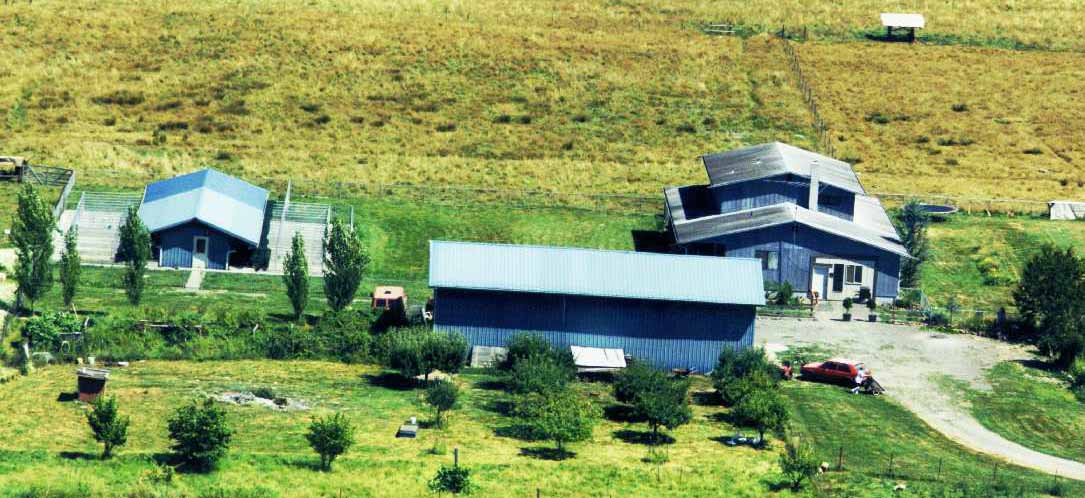
No one ever told me sheep could or would be addictive, but if the truth be known, they surely are! For us it started
out as one rare breed, now we have grown attached, involved and committed to seven breeds we are addicted! Addicted:
(to give oneself up to something habitually and completely).
We have always felt strongly about animal conservation and having been raised on a small family farm the two together
were a seemingly natural occurrence. Our first investments in rare sheep has more than paid for itself and so our flock has grown from the one breed to the seven distinct breeds we now raise. All of them rare and endangered, and all of them
miniature and/or toy sized.
We have only fifteen acres, but can easily keep our 75 or more head on good pasture nine months of the year.
These little sheep are easy keepers and good grazers, unlike goats that are best at browsing. Sheep do just fine in the
winter, on good local grass hay, sheep minerals and a bit of sweet feed when with lamb. They have no need for special
shelters, just a place for all of them to lay down for the night out of the wind and the rain.
Sheep are group animals and therefore, people friendly; the more you give the more you get back. Our sheep come
a running by simply calling them no feed needed, they really like us.
What started out as something to eat down the grass and a 4-H project for the children has turned out to be so much
more than that. The making of the many new friends along the way, visiting of each others farms, exhibiting at fairs and
open shows, learning to spin the wool, getting others interested in conservation, are but a few of the many unexpected benefits.
Other benefits are the ease of handling, their size makes them easy to work on. We hold ours in our laps to do the feet trimming, giving of shots and the shearing can be done the same, although our shearer does it the old fashioned way. The
lambs of course must be seen to be believed. Their tiny size is about like a quart jar with legs or smaller and about one to
two pounds and all the reward one needs on those long winter nights to brighten your days. Yet the best part are the animals themselves, and how they bring people and family together, these small creatures put a smile on your face each and every
day and THAT is worth more than anything in this world to me.
The market has stayed steady and growing; last year all of our lambs were sold before they were weaned. This year already half our lambs have deposits down on them before they are even born! We are actively involved in the conservation of the many, rare and forgotten small sheep breeds. Because of our strong belief in conservation and that record keeping is a large part of that, we have set up the Miniature and Novelty Sheep Breeders Association and Registry, ( M.N.S.B.A.R.) for the registration and documentation of the many rare and nearly forgotten small, old world, some primitive and smaller sheep breeds. To preserve and set apart these novel sheep from the more common larger, standard sized ones, and to promote and protect the rare and forgotten ones. We promote communication between interested parties and send out breed information.
Copyright © Smokey Valley Kennels April 1998